

The few weeks between Thanksgiving and winter break are some of the hardest weeks of the year to teach. Your students are excited, the schedule is full of programs and parties, and somehow you still have a unit test on the calendar. This is exactly when math review games earn their keep. A good game gives your 3rd, 4th, or 5th graders real practice on the standards you have already taught, and it keeps them busy in a way that doesn’t feel like one more worksheet.
In this post, I’m sharing what I look for in a math review game, how I use my I CAN Math Games for whole-group and center review, how I use the I CAN Mini Games when a few kids need more practice on one skill, and some easy ways to give your review a winter feel without extra prep.
Be sure to grab my FREE math games while you’re here!
What Makes a Good Math Review Game?
I have tried a lot of review games over the years, and the ones that worked in my classroom all had a few things in common.
- The routine never changes. If I have to spend twenty minutes teaching the rules of a new game, I have lost twenty minutes of review. When students already know how to play, we can jump right into the math, and that matters even more in December when every minute is spoken for.
- Everyone is working. In some review games, one student answers while the rest of the class sits and waits for a turn. I want every student solving problems the whole time, or at least checking someone else’s work.
- The questions look like real test questions. Students should see each standard in different ways, with word problems, models, and computation mixed together. If they only see the same problem with new numbers, they aren’t really reviewing the standard.
- It’s easy to differentiate. I need to be able to give one group multiple choice and another group short answer without making two different games.
- Kids can check their own answers. When students know right away if they got it right, they fix mistakes while the problem is still fresh, and I’m free to work with a small group.
That list is pretty much what I had in mind when I sat down to make my own games, and I wanted my students to actually enjoy playing them, too!
How I Use I CAN Math Games for Whole-Group Review and Centers
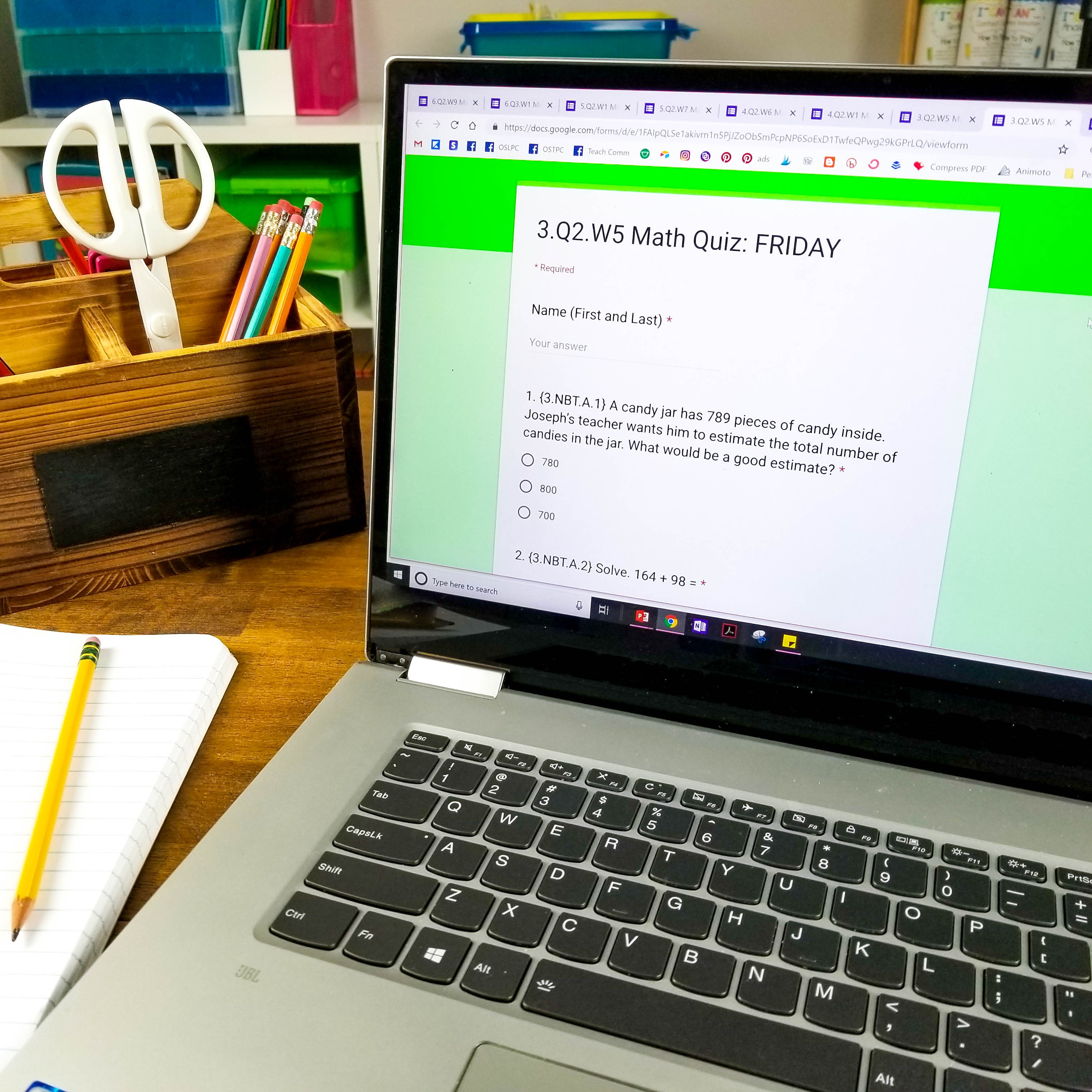
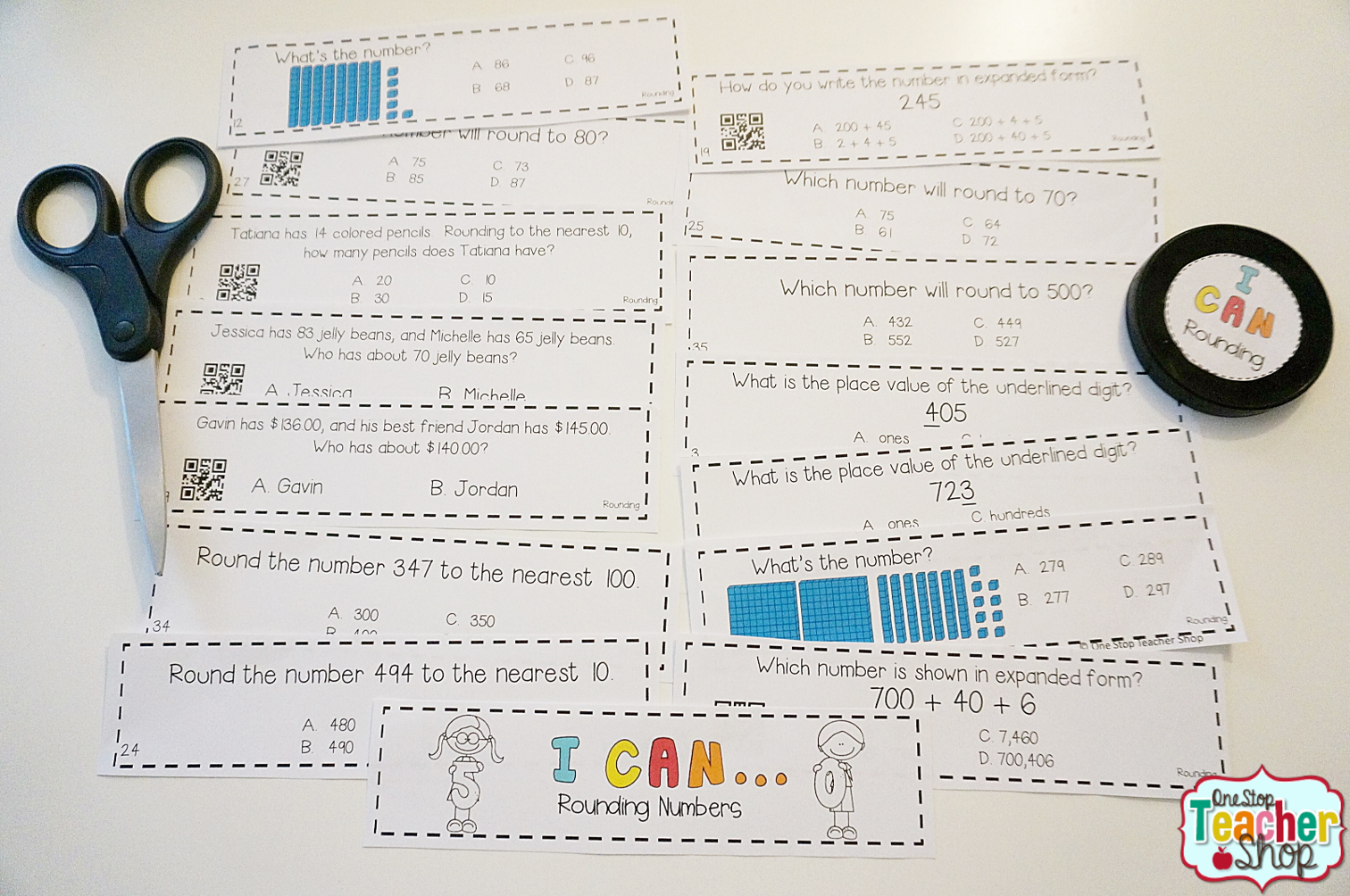
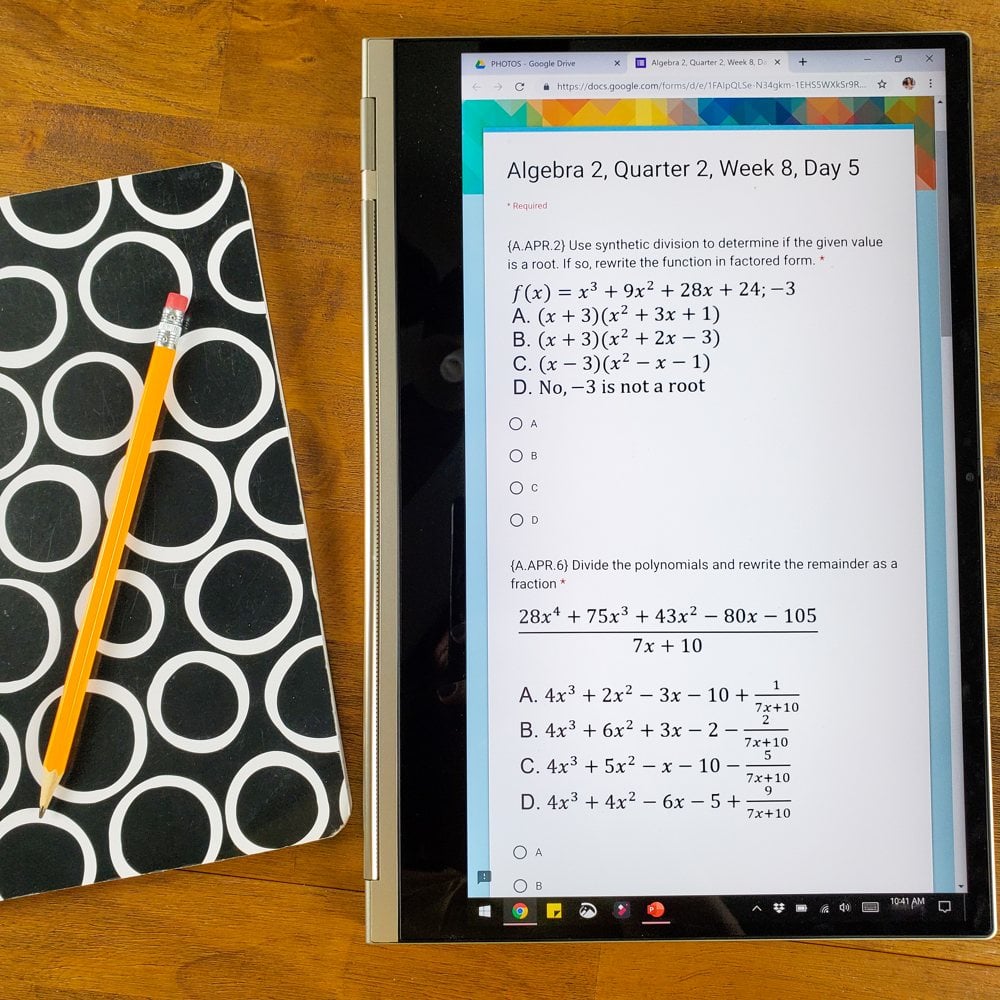
I CAN Math Games are literally math games in a can. Each game covers one unit or big topic and has 40 test-like questions. Every question comes in two formats, multiple choice and short answer, and both come with or without QR codes so students can check their own work.

The basic game is simple. Students take turns pulling a question strip out of the can and solving it. If they get it right, they keep the strip. If they get it wrong, another player can try to solve it and steal it. Whoever has the most strips at the end wins. Once your class has played it one time, they know how to play every game, no matter which skill is inside the can.
Here are the ways I lean on them most before a break.
- Whole-group review. I split the class into teams and project the questions on the board. Teams work each problem together and earn points for correct answers. Because there are 40 questions in every game, you can play this for several days without running out.
- Math centers. This is my favorite way to use them. Two to four students play the can game at a table while I meet with a small group.
- Math Around the Room. Tape the questions up around the classroom and give each student a clipboard and pencil. On your signal, students move to the next question and solve it. Getting up and moving was a total hit with my students, and it’s a lifesaver on days when nobody can sit still.
- End-of-unit review. If you have a test right before winter break, play the game for that unit a few days before. Students are much more successful with these games once they have learned the skills, so they make a great last review.
I also use the progress monitoring checklist that comes with every game. When students record their answers, I can see which standards they are still struggling with. That tells me who needs a little extra practice before we leave for break, and it gives me a plan for small groups when we come back in January.
If you want to see all of the ways I have used these games, including how to set them up in cans, folders, binders, or pencil boxes, take a look at my post on how to use I CAN Math Games in the classroom.

One Skill at a Time with I CAN Mini Games
Whole-unit review is great, but by December you probably have a handful of students who are still stuck on one skill. Maybe it’s multi-digit multiplication, or maybe it’s adding fractions with unlike denominators. Those students don’t need a game that covers the whole unit. They need a lot of practice on that one standard.
That is exactly why I made I CAN Mini Games. Each mini game has 24 question cards that focus on just one standard or skill, with optional QR codes for checking answers. They use the same routine as the original I CAN games, so your students already know what to do.

Every set also comes with 10 different game options, so you can change up how students play while keeping the same question cards. That keeps a small group interested even when they are practicing the same skill for the third day in a row.
So here’s how I split them up. The original I CAN games are for the big review before a unit test, and the mini games are for the kids who need more time with one piece of that unit. You can read more about how they work in my I CAN Mini Math Games post.
In the weeks before break, I would pull the students who missed the same questions on the progress monitoring checklist and play the mini game for that skill with them in a small group. Mini games also work for independent practice, since students can check each card with the QR code as they go. And if you keep a few cans out on a shelf, your early finishers always have something useful to grab.
Easy Ways to Give Math Review a Winter Twist
You don’t need a brand-new winter activity to make review feel special. A small change to a game your students already know is usually enough, and none of these ideas take extra prep.
- Dress up the cans. Wrap a few cans in leftover wrapping paper or tape a paper snowflake to the lid. Same questions, but now it feels like a holiday game.
- Snowball review. Have each student solve a question card on a sheet of paper, crumple it into a “snowball,” and toss it into a bin. Pull a few snowballs out and check them together as a class.
- Skip the whiteboards. For small groups, let students do their work right on the table with markers. I tried this years ago, and my students thought they were breaking the rules. They loved it, and I could see every step of their work. (Black markers wipe off the easiest!)
- Team tournament week. Run your whole-group review as a tournament across the last week, with a new can each day and running team points on the board.
- Cozy center day. Let students play their center game on the floor with a pillow or a blanket from home. It costs nothing, and kids act like it’s the best day of the year.
Mixing in a quick daily review alongside your games helps too. If you use math spiral review, your students are already seeing old skills every day, and the games become a fun way to practice them all over again.
Try a Free Math Game
Try it for FREE! If you want to see how an I CAN game works before you buy, there are free samples of both I CAN Math Games and I CAN Mini Games in my Freebie Vault. Just click the button below and I’ll give you access to my freebies.
I also put together a page of free math spiral review and math games that explains exactly what you get in each free sample.
I hope these math review games make the last few weeks before winter break a little calmer (and a lot more fun) in your classroom. If you only try one idea, start with whole-group review on the board. It takes almost no setup, and your students will be asking to play again tomorrow 🙂
Now available
One Stop Teacher Memberships
Our grade-level memberships provide the BIGGEST savings on ALL One Stop Teacher Resources! Get 24/7 access to a library of highly effective, student-approved educational resources.